
Extract from Captain Stormfield's Visit to Heaven, by Mark Twain
Transcribed by David Price,best water blasters under 20 dollars email [email protected]
Extract from
Captain Stormfield’s
Visit to Heaven
BY
Mark Twain
NEW YORK ANDLONDON
HARPER & BROTHERS
Copyright, 1909, by Mark Twain Company
Printed in the United States ofAmerica
CHAPTER I
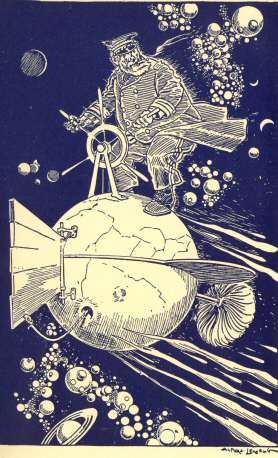
Well, when I had been dead about thirty years I begun to get alittle anxious. Mind you, had been whizzing through spaceall that time, like a comet. Likea comet! Why, Peters, I laid over the lot of them! Of course therewarn’t any of them going my way, as a steady thing, youknow, because they travel in a long circle like the loop of alasso, whereas I was pointed as straight as a dart for theHereafter; but I happened on one every now and then that wasgoing my way for an hour or so, and then we had a bit of a brushtogether. But it was generally pretty one-sided, because Isailed by them the same as if they were standing still. Anordinary comet don’t make more than about 200,000 miles aminute. Of course when I came across one of thatsort—like Encke’s and Halley’s comets, forinstance—it warn’t anything but just a flash and avanish, you see. You couldn’t rightly call it arace. It was as if the comet was a gravel-train and I was atelegraph despatch. But after I got outside of ourastronomical system, I used to flush a comet occasionally thatwas something like. Wehaven’t got anysuch comets—ours don’t begin. One night I wasswinging along at a good round gait, everything taut and trim,and the wind in my favor—I judged I was going about amillion miles a minute—it might have been more, itcouldn’t have been less—when I flushed a mostuncommonly big one about three points off my starboard bow. By his stern lights I judged he was bearing aboutnortheast-and-by-north-half-east. Well, it was so near mycourse that I wouldn’t throw away the chance; so I fell offa point, steadied my helm, and went for him. You shouldhave heard me whiz, and seen the electric fur fly! In abouta minute and a half I was fringed out with an electrical nimbusthat flamed around for miles and miles and lit up all space likebroad day. The comet was burning blue in the distance, likea sickly torch, when I first sighted him, but he begun to growbigger and bigger as I crept up on him. I slipped up on himso fast that when I had gone about 150,000,000 miles I was closeenough to be swallowed up in the phosphorescent glory of hiswake, and I couldn’t see anything for the glare. Thinks I, it won’t do to run into him, so I shunted to oneside and tore along. By and by I closed up abreast of histail. Do you know what it was like? It was like agnat closing up on the continent of America. I forgedalong. By and by I had sailed along his coast for a littleupwards of a hundred and fifty million miles, and then I couldsee by the shape of him that I hadn’t even got up to hiswaistband yet. Why, Peters, wedon’t knowanything about comets, down here. If you want to see cometsthat arecomets, you’ve got to go outside of oursolar system—where there’s room for them, youunderstand. My friend, I’ve seen comets out therethat couldn’t even lay down inside the orbitsof ournoblest comets without their tails hanging over.
Well, I boomed along another hundred and fifty million miles,and got up abreast his shoulder, as you may say. I wasfeeling pretty fine, I tell you; but just then I noticed theofficer of the deck come to the side and hoist his glass in mydirection. Straight off I heard him singout—“Below there, ahoy! Shake her up, shake herup! Heave on a hundred million billion tons ofbrimstone!”
“Ay-ay, sir!”
“Pipe the stabboard watch! All hands ondeck!”
“Ay-ay, sir!”
“Send two hundred thousand million men aloft to shakeout royals and sky-scrapers!”
“Ay-ay, sir!”
“Hand the stuns’ls! Hang out every ragyou’ve got! Clothe her from stem torudder-post!”
“Ay-ay, sir!”
In about a second I begun to see I’d woke up a prettyugly customer, Peters. In less than ten seconds that cometwas just a blazing cloud of red-hot canvas. It was piled upinto the heavens clean out of sight—the old thing seemed toswell out and occupy all space; the sulphur smoke from thefurnaces—oh, well, nobody can describe the way it rolledand tumbled up into the skies, and nobody can half describe theway it smelt. Neither can anybody begin to describe the waythat monstrous craft begun to crash along. And such anotherpowwow—thousands of bo’s’n’s whistlesscreaming at once, and a crew like the populations of a hundredthousand worlds like ours all swearing at once. Well, Inever heard the like of it before.
We roared and thundered along side by side, both doing ourlevel best, because I’d never struck a comet before thatcould lay over me, and so I was bound to beat this one or breaksomething. I judged I had some reputation in space, and Icalculated to keep it. I noticed I wasn’t gaining asfast, now, as I was before, but still I was gaining. Therewas a power of excitement on board the comet. Upwards of ahundred billion passengers swarmed up from below and rushed tothe side and begun to bet on the race. Of course thiscareened her and damaged her speed. My, but wasn’tthe mate mad! He jumped at that crowd, with his trumpet inhis hand, and sung out—
“Amidships! amidships, you—! [9] or I’ll brain the last idiot ofyou!”
Well, sir, I gained and gained, little by little, till at lastI went skimming sweetly by the magnificent oldconflagration’s nose. By this time the captain of thecomet had been rousted out, and he stood there in the red glarefor’ard, by the mate, in his shirt-sleeves and slippers,his hair all rats’ nests and one suspender hanging, and howsick those two men did look! I just simply couldn’thelp putting my thumb to my nose as I glided away and singingout:
“Ta-ta! ta-ta! Any word to send to yourfamily?”
Peters, it was a mistake. Yes, sir, I’ve oftenregretted that—it was a mistake. You see, the captainhad given up the race, but that remark was too tedious forhim—he couldn’t stand it. He turned to themate, and says he—
“Have we got brimstone enough of our own to make thetrip?”
“Yes, sir.”
“Sure?”
“Yes, sir—more than enough.”
“How much have we got in cargo for Satan?”
“Eighteen hundred thousand billion quintillions ofkazarks.”
“Very well, then, let his boarders freeze till the nextcomet comes. Lighten ship! Lively, now, lively,men! Heave the whole cargo overboard!”
Peters, look me in the eye, and be calm. I found out,over there, that a kazark is exactly the bulk of a hundred andsixty-nine worlds like ours! They hove all that loadoverboard. When it fell it wiped out a considerable raft ofstars just as clean as if they’d been candles and somebodyblowed them out. As for the race, that was at an end. The minute she was lightened the comet swung along by me the sameas if I was anchored. The captain stood on the stern, bythe after-davits, and put his thumb to his nose and sungout—
“Ta-ta! ta-ta! Maybe you’vegot somemessage to send your friends in the EverlastingTropics!”
Then he hove up his other suspender and started for’ard,and inside of three-quarters of an hour his craft was only a paletorch again in the distance. Yes, it was a mistake,Peters—that remark of mine. I don’t reckonI’ll ever get over being sorry about it. I’d’a’ beat the bully of the firmament if I’d keptmy mouth shut.
But I’ve wandered a little off the track of my tale;I’ll get back on my course again. Now you see whatkind of speed I was making. So, as I said, when I had beentearing along this way about thirty years I begun to getuneasy. Oh, it was pleasant enough, with a good deal tofind out, but then it was kind of lonesome, you know. Besides, I wanted to get somewhere. I hadn’t shippedwith the idea of cruising forever. First off, I liked thedelay, because I judged I was going to fetch up in pretty warmquarters when I got through; but towards the last I begun to feelthat I’d rather go to—well, most any place, so as tofinish up the uncertainty.
Well, one night—it was always night, except when I wasrushing by some star that was occupying the whole universe withits fire and its glare—light enough then, of course, but Inecessarily left it behind in a minute or two and plunged into asolid week of darkness again. The stars ain’t soclose together as they look to be. Where was I? Ohyes; one night I was sailing along, when I discovered atremendous long row of blinking lights away on the horizonahead. As I approached, they begun to tower and swell andlook like mighty furnaces. Says I to myself—
“By George, I’ve arrived at last—and at thewrong place, just as I expected!”
Then I fainted. I don’t know how long I wasinsensible, but it must have been a good while, for, when I cameto, the darkness was all gone and there was the loveliestsunshine and the balmiest, fragrantest air in its place. And there was such a marvellous world spread out beforeme—such a glowing, beautiful, bewitching country. Thethings I took for furnaces were gates, miles high, made all offlashing jewels, and they pierced a wall of solid gold that youcouldn’t see the top of, nor yet the end of, in eitherdirection. I was pointed straight for one of these gates,and a-coming like a house afire. Now I noticed that theskies were black with millions of people, pointed for thosegates. What a roar they made, rushing through theair! The ground was as thick as ants with people,too—billions of them, I judge.
I lit. I drifted up to a gate with a swarm of people,and when it was my turn the head clerk says, in a business-likeway—
“Well, quick! Where are you from?”
“San Francisco,” says I.
“San Fran—what?” says he.
“San Francisco.”
He scratched his head and looked puzzled, then hesays—
“Is it a planet?”
By George, Peters, think of it! “Planet?” says I; “it’s acity. And moreover, it’s one of the biggest andfinest and—”
“There, there!” says he, “no time here forconversation. We don’t deal in cities here. Where are you from in a generalway?”
“Oh,” I says, “I beg your pardon. Putme down for California.”
I had him again, Peters! He puzzled a second,then he says, sharp and irritable—
“I don’t know any such planet—is it aconstellation?”
“Oh, my goodness!” says I. “Constellation, says you? No—it’s aState.”
“Man, we don’t deal in States here. Willyou tell me where you are from in general—atlarge, don’t you understand?”
“Oh, now I get your idea,” I says. “I’m from America,—the United States ofAmerica.”
Peters, do you know I had him again? If Ihadn’t I’m a clam! His face was as blank as atarget after a militia shooting-match. He turned to anunder clerk and says—
“Where is America? WhatisAmerica?”
The under clerk answered up prompt and says—
“There ain’t any such orb.”
“Orb?” says I. “Why, what areyou talking about, young man? It ain’t an orb;it’s a country; it’s a continent. Columbusdiscovered it; I reckon likely you’ve heard of him,anyway. America—why, sir, America—”
“Silence!” says the head clerk. “Oncefor all, where—are—you—from?”
“Well,” says I, “I don’t know anythingmore to say—unless I lump things, and just say I’mfrom the world.”
“Ah,” says he, brightening up, “nowthat’s something like! Whatworld?”
Peters, he had me, that time. I looked at him,puzzled, he looked at me, worried. Then he burstout—
“Come, come, what world?”
Says I, “Why, theworld, of course.”
“Theworld!” he says. “H’m! there’s billions of them! . . .Next!”
That meant for me to stand aside. I done so, and asky-blue man with seven heads and only one leg hopped into myplace. I took a walk. It just occurred to me, then,that all the myriads I had seen swarming to that gate, up to thistime, were just like that creature. I tried to run acrosssomebody I was acquainted with, but they were out ofacquaintances of mine just then. So I thought the thing allover and finally sidled back there pretty meek and feeling ratherstumped, as you may say.
“Well?” said the head clerk.
“Well, sir,” I says, pretty humble, “Idon’t seem to make out which world it is I’mfrom. But you may know it from this—it’s theone the Saviour saved.”
He bent his head at the Name. Then he says,gently—
“The worlds He has saved are like to the gates of heavenin number—none can count them. What astronomicalsystem is your world in?—perhaps that mayassist.”
“It’s the one that has the sun in it—and themoon—and Mars”—he shook his head at eachname—hadn’t ever heard of them, yousee—“and Neptune—and Uranus—andJupiter—”
“Hold on!” says he—“hold on aminute! Jupiter . . . Jupiter . . . Seems to me we had aman from there eight or nine hundred years ago—but peoplefrom that system very seldom enter by this gate.” Allof a sudden he begun to look me so straight in the eye that Ithought he was going to bore through me. Then he says, verydeliberate, “Did you come straight herefrom yoursystem?”
“Yes, sir,” I says—but I blushed the leastlittle bit in the world when I said it.
He looked at me very stern, and says—
“That is not true; and this is not the place forprevarication. You wandered from your course. How didthat happen?”
Says I, blushing again—
“I’m sorry, and I take back what I said, andconfess. I raced a little with a comet one day—onlyjust the least little bit—only the tiniestlit—”
“So—so,” says he—and without any sugarin his voice to speak of.
I went on, and says—
“But I only fell off just a bare point, and I went rightback on my course again the minute the race was over.”
“No matter—that divergence has made all thistrouble. It has brought you to a gate that is billions ofleagues from the right one. If you had gone to your owngate they would have known all about your world at once and therewould have been no delay. But we will try to accommodateyou.” He turned to an under clerk and says—
“What system is Jupiter in?”
“I don’t remember, sir, but I think there is sucha planet in one of the little new systems away out in one of thethinly worlded corners of the universe. I willsee.”
He got a balloon and sailed up and up and up, in front of amap that was as big as Rhode Island. He went on up till hewas out of sight, and by and by he came down and got something toeat and went up again. To cut a long story short, he kepton doing this for a day or two, and finally he came down and saidhe thought he had found that solar system, but it might befly-specks. So he got a microscope and went back. Itturned out better than he feared. He had rousted out oursystem, sure enough. He got me to describe our planet andits distance from the sun, and then he says to hischief—
“Oh, I know the one he means, now, sir. It is onthe map. It is called the Wart.”
Says I to myself, “Young man, it wouldn’t bewholesome for you to go down thereand call it theWart.”
Well, they let me in, then, and told me I was safe forever andwouldn’t have any more trouble.
Then they turned from me and went on with their work, the sameas if they considered my case all complete and shipshape. Iwas a good deal surprised at this, but I was diffident aboutspeaking up and reminding them. I did so hate to do it, youknow; it seemed a pity to bother them, they had so much on theirhands. Twice I thought I would give up and let the thinggo; so twice I started to leave, but immediately I thought what afigure I should cut stepping out amongst the redeemed in such arig, and that made me hang back and come to anchor again. People got to eying me—clerks, you know—wondering whyI didn’t get under way. I couldn’t stand thislong—it was too uncomfortable. So at last I pluckedup courage and tipped the head clerk a signal. Hesays—
“What! you here yet? What’swanting?”
Says I, in a low voice and very confidential, making a trumpetwith my hands at his ear—
“I beg pardon, and you mustn’t mind my remindingyou, and seeming to meddle, but hain’t you forgotsomething?”
He studied a second, and says—
“Forgot something? . . . No, not that I knowof.”
“Think,” says I.
He thought. Then he says—
“No, I can’t seem to have forgot anything. What is it?”
“Look at me,” says I, “look me allover.”
He done it.
“Well?” says he.
“Well,” says I, “you don’t noticeanything? If I branched out amongst the elect looking likethis, wouldn’t I attract considerableattention?—wouldn’t I be a littleconspicuous?”
“Well,” he says, “I don’t see anythingthe matter. What do you lack?”
“Lack! Why, I lack my harp, and my wreath, and myhalo, and my hymn-book, and my palm branch—I lackeverything that a body naturally requires up here, myfriend.”
Puzzled? Peters, he was the worst puzzled man you eversaw. Finally he says—
“Well, you seem to be a curiosity every way a body takesyou. I never heard of these things before.”
I looked at the man awhile in solid astonishment; then Isays—
“Now, I hope you don’t take it as an offence, forI don’t mean any, but really, for a man that has been inthe Kingdom as long as I reckon you have, you do seem to knowpowerful little about its customs.”
“Its customs!” says he. “Heaven is alarge place, good friend. Large empires have many anddiverse customs. Even small dominions have, as youdoubtless know by what you have seen of the matter on a smallscale in the Wart. How can you imagine I could ever learnthe varied customs of the countless kingdoms of heaven? Itmakes my head ache to think of it. I know the customs thatprevail in those portions inhabited by peoples that are appointedto enter by my own gate—and hark ye, that is quite enoughknowledge for one individual to try to pack into his head in thethirty-seven millions of years I have devoted night and day tothat study. But the idea of learning the customs of thewhole appalling expanse of heaven—O man, how insanely youtalk! Now I don’t doubt that this odd costume youtalk about is the fashion in that district of heaven you belongto, but you won’t be conspicuous in this section withoutit.”
I felt all right, if that was the case, so I bade him good-dayand left. All day I walked towards the far end of aprodigious hall of the office, hoping to come out into heaven anymoment, but it was a mistake. That hall was built on thegeneral heavenly plan—it naturally couldn’t besmall. At last I got so tired I couldn’t go anyfarther; so I sat down to rest, and begun to tackle the queerestsort of strangers and ask for information, but I didn’t getany; they couldn’t understand my language, and I could notunderstand theirs. I got dreadfully lonesome. I wasso down-hearted and homesick I wished a hundred times I never haddied. I turned back, of course. About noon next day,I got back at last and was on hand at the booking-office oncemore. Says I to the head clerk—
“I begin to see that a man’s got to be in his ownHeaven to be happy.”
“Perfectly correct,” says he. “Did youimagine the same heaven would suit all sorts of men?”
“Well, I had that idea—but I see the foolishnessof it. Which way am I to go to get to mydistrict?”
He called the under clerk that had examined the map, and hegave me general directions. I thanked him and started; buthe says—
“Wait a minute; it is millions of leagues fromhere. Go outside and stand on that red wishing-carpet; shutyour eyes, hold your breath, and wish yourself there.”
“I’m much obliged,” says I; “whydidn’t you dart me through when I first arrived?”
“We have a good deal to think of here; it was your placeto think of it and ask for it. Good-by; we probablysha’n’t see you in this region for a thousandcenturies or so.”
“In that case, o revoor,” says I.
I hopped onto the carpet and held my breath and shut my eyesand wished I was in the booking-office of my own section. The very next instant a voice I knew sung out in a business kindof a way—
“A harp and a hymn-book, pair of wings and a halo, size13, for Cap’n Eli Stormfield, of San Francisco!—makehim out a clean bill of health, and let him in.”
I opened my eyes. Sure enough, it was a Pi Ute Injun Iused to know in Tulare County; mighty good fellow—Iremembered being at his funeral, which consisted of him beingburnt and the other Injuns gauming their faces with his ashes andhowling like wildcats. He was powerful glad to see me, andyou may make up your mind I was just as glad to see him, and feelthat I was in the right kind of a heaven at last.
Just as far as your eye could reach, there was swarms ofclerks, running and bustling around, tricking out thousands ofYanks and Mexicans and English and Arabs, and all sorts of peoplein their new outfits; and when they gave me my kit and I put onmy halo and took a look in the glass, I could have jumped over ahouse for joy, I was so happy. “Now thisissomething like!” says I. “Now,” says I,“I’m all right—show me a cloud.”
Inside of fifteen minutes I was a mile on my way towards thecloud-banks and about a million people along with me. Mostof us tried to fly, but some got crippled and nobody made asuccess of it. So we concluded to walk, for the present,till we had had some wing practice.
We begun to meet swarms of folks who were coming back. Some had harps and nothing else; some had hymn-books and nothingelse; some had nothing at all; all of them looked meek anduncomfortable; one young fellow hadn’t anything left buthis halo, and he was carrying that in his hand; all of a suddenhe offered it to me and says—
“Will you hold it for me a minute?”
Then he disappeared in the crowd. I went on. Awoman asked me to hold her palm branch, and then shedisappeared. A girl got me to hold her harp for her, and byGeorge, shedisappeared; and so on and so on, till I wasabout loaded down to the guards. Then comes a smiling oldgentleman and asked me to hold histhings. I swabbedoff the perspiration and says, pretty tart—
“I’ll have to get you to excuse me, myfriend,—Iain’t no hat-rack.”
About this time I begun to run across piles of those traps,lying in the road. I just quietly dumped my extra cargoalong with them. I looked around, and, Peters, that wholenation that was following me were loaded down the same asI’d been. The return crowd had got them to hold theirthings a minute, you see. They all dumped their loads, too,and we went on.
When I found myself perched on a cloud, with a million otherpeople, I never felt so good in my life. Says I, “Nowthis is according to the promises; I’ve been having mydoubts, but now I am in heaven, sure enough.” I gavemy palm branch a wave or two, for luck, and then I tautened up myharp-strings and struck in. Well, Peters, you can’timagine anything like the row we made. It was grand tolisten to, and made a body thrill all over, but there wasconsiderable many tunes going on at once, and that was a drawbackto the harmony, you understand; and then there was a lot of Injuntribes, and they kept up such another war-whooping that they kindof took the tuck out of the music. By and by I quitperforming, and judged I’d take a rest. There wasquite a nice mild old gentleman sitting next me, and I noticed hedidn’t take a hand; I encouraged him, but he said he wasnaturally bashful, and was afraid to try before so manypeople. By and by the old gentleman said he never couldseem to enjoy music somehow. The fact was, I was beginningto feel the same way; but I didn’t say anything. Himand I had a considerable long silence, then, but of course itwarn’t noticeable in that place. After about sixteenor seventeen hours, during which I played and sung a little, nowand then—always the same tune, because I didn’t knowany other—I laid down my harp and begun to fan myself withmy palm branch. Then we both got to sighing prettyregular. Finally, says he—
“Don’t you know any tune but the one you’vebeen pegging at all day?”
“Not another blessed one,” says I.
“Don’t you reckon you could learn anotherone?” says he.
“Never,” says I; “I’ve tried to, but Icouldn’t manage it.”
“It’s a long time to hang to theone—eternity, you know.”
“Don’t break my heart,” says I;“I’m getting low-spirited enough already.”
After another long silence, says he—
“Are you glad to be here?”
Says I, “Old man, I’ll be frank with you. This ain’tjust as near my idea of bliss as Ithought it was going to be, when I used to go tochurch.”
Says he, “What do you say to knocking off and calling ithalf a day?”
“That’s me,” says I. “I neverwanted to get off watch so bad in my life.”
So we started. Millions were coming to the cloud-bankall the time, happy and hosannahing; millions were leaving it allthe time, looking mighty quiet, I tell you. We laid for thenew-comers, and pretty soon I’d got them to hold all mythings a minute, and then I was a free man again and mostoutrageously happy. Just then I ran across old SamBartlett, who had been dead a long time, and stopped to have atalk with him. Says I—
“Now tell me—is this to go on forever? Ain’t there anything else for a change?”
Says he—
“I’ll set you right on that point veryquick. People take the figurative language of the Bible andthe allegories for literal, and the first thing they ask for whenthey get here is a halo and a harp, and so on. Nothingthat’s harmless and reasonable is refused a body here, ifhe asks it in the right spirit. So they are outfitted withthese things without a word. They go and sing and play justabout one day, and that’s the last you’ll ever seethem in the choir. They don’t need anybody to tellthem that that sort of thing wouldn’t make aheaven—at least not a heaven that a sane man could stand aweek and remain sane. That cloud-bank is placed where thenoise can’t disturb the old inhabitants, and so thereain’t any harm in letting everybody get up there and curehimself as soon as he comes.
“Now you just remember this—heaven is as blissfuland lovely as it can be; but it’s just the busiest placeyou ever heard of. There ain’t any idle people hereafter the first day. Singing hymns and waving palm branchesthrough all eternity is pretty when you hear about it in thepulpit, but it’s as poor a way to put in valuable time as abody could contrive. It would just make a heaven ofwarbling ignoramuses, don’t you see? Eternal Restsounds comforting in the pulpit, too. Well, you try itonce, and see how heavy time will hang on your hands. Why,Stormfield, a man like you, that had been active and stirring allhis life, would go mad in six months in a heaven where hehadn’t anything to do. Heaven is the very last placeto come to restin,—and don’t you be afraid tobet on that!”
Says I—
“Sam, I’m as glad to hear it as I thoughtI’d be sorry. I’m glad I come, now.”
Says he—
“Cap’n, ain’t you pretty physicallytired?”
Says I—
“Sam, it ain’t any name for it! I’mdog-tired.”
“Just so—just so. You’ve earned a goodsleep, and you’ll get it. You’ve earned a goodappetite, and you’ll enjoy your dinner. It’sthe same here as it is on earth—you’ve got to earn athing, square and honest, before you enjoy it. Youcan’t enjoy first and earn afterwards. Butthere’s this difference, here: you can choose your ownoccupation, and all the powers of heaven will be put forth tohelp you make a success of it, if you do your level best. The shoemaker on earth that had the soul of a poet in himwon’t have to make shoes here.”
“Now that’s all reasonable and right,” saysI. “Plenty of work, and the kind you hanker after; nomore pain, no more suffering—”
“Oh, hold on; there’s plenty of painhere—but it don’t kill. There’s plenty ofsuffering here, but it don’t last. You see, happinessain’t a thing in itself—it’s only acontrastwith something that ain’t pleasant. That’s all it is. There ain’t a thing you canmention that is happiness in its own self—it’s onlyso by contrast with the other thing. And so, as soon as thenovelty is over and the force of the contrast dulled, itain’t happiness any longer, and you have to get somethingfresh. Well, there’s plenty of pain and suffering inheaven—consequently there’s plenty of contrasts, andjust no end of happiness.”
Says I, “It’s the sensiblest heaven I’veheard of yet, Sam, though it’s about as different from theone I was brought up on as a live princess is different from herown wax figger.”
Along in the first months I knocked around about the Kingdom,making friends and looking at the country, and finally settleddown in a pretty likely region, to have a rest before takinganother start. I went on making acquaintances and gatheringup information. I had a good deal of talk with an oldbald-headed angel by the name of Sandy McWilliams. He wasfrom somewhere in New Jersey. I went about with him,considerable. We used to lay around, warm afternoons, inthe shade of a rock, on some meadow-ground that was pretty highand out of the marshy slush of his cranberry-farm, and there weused to talk about all kinds of things, and smoke pipes. One day, says I—
“About how old might you be, Sandy?”
“Seventy-two.”
“I judged so. How long you been inheaven?”
“Twenty-seven years, come Christmas.”
“How old was you when you come up?”
“Why, seventy-two, of course.”
“You can’t mean it!”
“Why can’t I mean it?”
“Because, if you was seventy-two then, you are naturallyninety-nine now.”
“No, but I ain’t. I stay the same age I waswhen I come.”
“Well,” says I, “come to think,there’s something just here that I want to ask about. Down below, I always had an idea that in heaven we would all beyoung, and bright, and spry.”
“Well, you can be young if you want to. You’ve only got to wish.”
“Well, then, why didn’t you wish?”
“I did. They all do. You’ll try it,some day, like enough; but you’ll get tired of the changepretty soon.”
“Why?”
“Well, I’ll tell you. Now you’vealways been a sailor; did you ever try some otherbusiness?”
“Yes, I tried keeping grocery, once, up in the mines;but I couldn’t stand it; it was too dull—no stir, nostorm, no life about it; it was like being part dead and partalive, both at the same time. I wanted to be one thing ort’other. I shut up shop pretty quick and went tosea.”
“That’s it. Grocery people like it, but youcouldn’t. You see you wasn’t used to it. Well, I wasn’t used to being young, and I couldn’tseem to take any interest in it. I was strong, andhandsome, and had curly hair,—yes, and wings,too!—gay wings like a butterfly. I went to picnicsand dances and parties with the fellows, and tried to carry onand talk nonsense with the girls, but it wasn’t any use; Icouldn’t take to it—fact is, it was an awfulbore. What I wanted was early to bed and early to rise, andsomething to do; and when my work was done, I wanted tosit quiet, and smoke and think—not tear around with aparcel of giddy young kids. You can’t think what Isuffered whilst I was young.”
“How long was you young?”
“Only two weeks. That was plenty for me. Laws, I was so lonesome! You see, I was full of theknowledge and experience of seventy-two years; the deepestsubject those young folks could strike was only a-b-ctome. And to hear them argue—oh, my! it would have beenfunny, if it hadn’t been so pitiful. Well, I was sohungry for the ways and the sober talk I was used to, that Itried to ring in with the old people, but they wouldn’thave it. They considered me a conceited young upstart, andgave me the cold shoulder. Two weeks was a-plenty forme. I was glad to get back my bald head again, and my pipe,and my old drowsy reflections in the shade of a rock or atree.”
“Well,” says I, “do you mean to sayyou’re going to stand still at seventy-two,forever?”
“I don’t know, and I ain’t particular. But I ain’t going to drop back to twenty-five anymore—I know that, mighty well. I know a sight morethan I did twenty-seven years ago, and I enjoy learning, all thetime, but I don’t seem to get any older. That is,bodily—my mind gets older, and stronger, and betterseasoned, and more satisfactory.”
Says I, “If a man comes here at ninety, don’t heever set himself back?”
“Of course he does. He sets himself back tofourteen; tries it a couple of hours, and feels like a fool; setshimself forward to twenty; it ain’t much improvement; triesthirty, fifty, eighty, and finally ninety—finds he is moreat home and comfortable at the same old figure he is used to thanany other way. Or, if his mind begun to fail him on earthat eighty, that’s where he finally sticks up here. Hesticks at the place where his mind was last at its best, forthere’s where his enjoyment is best, and his ways most setand established.”
“Does a chap of twenty-five stay always twenty-five, andlook it?”
“If he is a fool, yes. But if he is bright, andambitious and industrious, the knowledge he gains and theexperiences he has, change his ways and thoughts and likings, andmake him find his best pleasure in the company of people abovethat age; so he allows his body to take on that look of as manyadded years as he needs to make him comfortable and proper inthat sort of society; he lets his body go on taking the look ofage, according as he progresses, and by and by he will be baldand wrinkled outside, and wise and deep within.”
“Babies the same?”
“Babies the same. Laws, what asses we used to be,on earth, about these things! We said we’d be alwaysyoung in heaven. We didn’t say howyoung—we didn’t think of that, perhaps—that is,we didn’t all think alike, anyway. When I was a boyof seven, I suppose I thought we’d all be twelve, inheaven; when I was twelve, I suppose I thought we’d all beeighteen or twenty in heaven; when I was forty, I begun to goback; I remember I hoped we’d all be about thirtyyears old in heaven. Neither a man nor a boy ever thinksthe age he hasis exactly the best one—he puts theright age a few years older or a few years younger than heis. Then he makes that ideal age the general age of theheavenly people. And he expects everybody to stickat that age—stand stock-still—and expects them toenjoy it!—Now just think of the idea of standing still inheaven! Think of a heaven made up entirely of hoop-rolling,marble-playing cubs of seven years!—or of awkward,diffident, sentimental immaturities of nineteen!—or ofvigorous people of thirty, healthy-minded, brimming withambition, but chained hand and foot to that one age and itslimitations like so many helpless galley-slaves! Think ofthe dull sameness of a society made up of people all of one ageand one set of looks, habits, tastes and feelings. Thinkhow superior to it earth would be, with its variety of types andfaces and ages, and the enlivening attrition of the myriadinterests that come into pleasant collision in such a variegatedsociety.”
“Look here,” says I, “do you know whatyou’re doing?”
“Well, what am I doing?”
“You are making heaven pretty comfortable in one way,but you are playing the mischief with it in another.”
“How d’you mean?”
“Well,” I says, “take a young motherthat’s lost her child, and—”
“Sh!” he says. “Look!”
It was a woman. Middle-aged, and had grizzledhair. She was walking slow, and her head was bent down, andher wings hanging limp and droopy; and she looked ever so tired,and was crying, poor thing! She passed along by, with herhead down, that way, and the tears running down her face, anddidn’t see us. Then Sandy said, low and gentle, andfull of pity:
“She’shunting for her child! No,foundit, I reckon. Lord, how she’schanged! But I recognized her in a minute, thoughit’s twenty-seven years since I saw her. A youngmother she was, about twenty two or four, or along there; andblooming and lovely and sweet? oh, just a flower! And allher heart and all her soul was wrapped up in her child, herlittle girl, two years old. And it died, and she went wildwith grief, just wild! Well, the only comfort she had wasthat she’d see her child again, inheaven—‘never more to part,’ she said, and kepton saying it over and over, ‘never more topart.’ And the words made her happy; yes, they did;they made her joyful, and when I was dying, twenty-seven yearsago, she told me to find her child the first thing, and say shewas coming—‘soon, soon, verysoon, she hopedand believed!’”
“Why, it’s pitiful, Sandy.”
He didn’t say anything for a while, but sat looking atthe ground, thinking. Then he says, kind of mournful:
“And now she’s come!”
“Well? Go on.”
“Stormfield, maybe she hasn’t found the child, butIthink she has. Looks so to me. I’veseen cases before. You see, she’s kept that child inher head just the same as it was when she jounced it in her armsa little chubby thing. But here it didn’t elect tostaya child. No, it elected to grow up, which itdid. And in these twenty-seven years it has learned all thedeep scientific learning there is to learn, and is studying andstudying and learning and learning more and more, all the time,and don’t give a damn for anything butlearning;just learning, and discussing gigantic problems with people likeherself.”
“Well?”
“Stormfield, don’t you see? Her mother knowscranberries, and how to tend them, and pick them, and putthem up, and market them; and not another blamed thing! Herand her daughter can’t be any more company for each othernowthan mud turtle and bird o’ paradise. Poorthing, she was looking for a baby to jounce; Ithinkshe’s struck a disapp’intment.”
“Sandy, what will they do—stay unhappy forever inheaven?”
“No, they’ll come together and get adjusted by andby. But not this year, and not next. By andby.”
CHAPTER II
I had been having considerable trouble with my wings. The day after I helped the choir I made a dash or two with them,but was not lucky. First off, I flew thirty yards, and thenfouled an Irishman and brought him down—brought us bothdown, in fact. Next, I had a collision with aBishop—and bowled him down, of course. We had somesharp words, and I felt pretty cheap, to come banging into agrave old person like that, with a million strangers looking onand smiling to themselves.
I saw I hadn’t got the hang of the steering, and socouldn’t rightly tell where I was going to bring up when Istarted. I went afoot the rest of the day, and let my wingshang. Early next morning I went to a private place to havesome practice. I got up on a pretty high rock, and got agood start, and went swooping down, aiming for a bush a littleover three hundred yards off; but I couldn’t seem tocalculate for the wind, which was about two points abaft mybeam. I could see I was going considerable to looard of thebush, so I worked my starboard wing slow and went ahead strong onthe port one, but it wouldn’t answer; I could see I wasgoing to broach to, so I slowed down on both, and lit. Iwent back to the rock and took another chance at it. Iaimed two or three points to starboard of the bush—yes,more than that—enough so as to make it nearly ahead-wind. I done well enough, but made pretty poortime. I could see, plain enough, that on a head-wind, wingswas a mistake. I could see that a body could sail prettyclose to the wind, but he couldn’t go in the wind’seye. I could see that if I wanted to go a-visiting anydistance from home, and the wind was ahead, I might have to waitdays, maybe, for a change; and I could see, too, that thesethings could not be any use at all in a gale; if you tried to runbefore the wind, you would make a mess of it, for thereisn’t anyway to shorten sail—like reefing, youknow—you have to take it allin—shut yourfeathers down flat to your sides. That would landyou, of course. You could lay to, with your head to thewind—that is the best you could do, and right hard workyou’d find it, too. If you tried any other game, youwould founder, sure.
I judge it was about a couple of weeks or so after this that Idropped old Sandy McWilliams a note one day—it was aTuesday—and asked him to come over and take his manna andquails with me next day; and the first thing he did when hestepped in was to twinkle his eye in a sly way, andsay,—
“Well, Cap, what you done with your wings?”
I saw in a minute that there was some sarcasm done up in thatrag somewheres, but I never let on. I only says,—
“Gone to the wash.”
“Yes,” he says, in a dry sort of way, “theymostly go to the wash—about this time—I’veoften noticed it. Fresh angels are powerful neat. When do you look for ’em back?”
“Day after to-morrow,” says I.
He winked at me, and smiled.
Says I,—
“Sandy, out with it. Come—no secrets amongfriends. I notice you don’t ever wear wings—andplenty others don’t. I’ve been making an ass ofmyself—is that it?”
“That is about the size of it. But it is noharm. We all do it at first. It’s perfectlynatural. You see, on earth we jump to such foolishconclusions as to things up here. In the pictures we alwayssaw the angels with wings on—and that was all right; but wejumped to the conclusion that that was their way of gettingaround—and that was all wrong. The wings ain’tanything but a uniform, that’s all. When they are inthe field—so to speak,—they always wear them; younever see an angel going with a message anywhere without hiswings, any more than you would see a military officer presidingat a court-martial without his uniform, or a postman deliveringletters, or a policeman walking his beat, in plain clothes. But they ain’t to flywith! The wings are forshow, not for use. Old experienced angels are like officersof the regular army—they dress plain, when they are offduty. New angels are like the militia—never shed theuniform—always fluttering and floundering around in theirwings, butting people down, flapping here, and there, andeverywhere, always imagining they are attracting the admiringeye—well, they just think they are the very most importantpeople in heaven. And when you see one of them come sailingaround with one wing tipped up and t’other down, you makeup your mind he is saying to himself: ‘I wish Mary Ann inArkansaw could see me now. I reckon she’d wish shehadn’t shook me.’ No, they’re just forshow, that’s all—only just for show.”
“I judge you’ve got it about right, Sandy,”says I.
“Why, look at it yourself,” says he. “Youain’t built for wings—no manis. You know what a grist of years it took you to come herefrom the earth—and yet you were booming along faster thanany cannon-ball could go. Suppose you had to fly thatdistance with your wings—wouldn’t eternity have beenover before you got here? Certainly. Well, angelshave to go to the earth every day—millions of them—toappear in visions to dying children and good people, youknow—it’s the heft of their business. Theyappear with their wings, of course, because they are on officialservice, and because the dying persons wouldn’t know theywere angels if they hadn’t wings—but do you reckonthey fly with them? It stands to reason theydon’t. The wings would wear out before they gothalf-way; even the pin-feathers would be gone; the wing frameswould be as bare as kite sticks before the paper is pastedon. The distances in heaven are billions of times greater;angels have to go all over heaven every day; could they do itwith their wings alone? No, indeed; they wear the wings forstyle, but they travel any distance in an instant bywishing. The wishing-carpet of the Arabian Nightswas a sensible idea—but our earthly idea of angels flyingthese awful distances with their clumsy wings was foolish.
“Our young saints, of both sexes, wear wings all thetime—blazing red ones, and blue and green, and gold, andvariegated, and rainbowed, and ring-streaked-and-stripedones—and nobody finds fault. It is suitable to theirtime of life. The things are beautiful, and they set theyoung people off. They are the most striking and lovelypart of their outfit—a halo don’tbegin.”
“Well,” says I, “I’ve tucked mine awayin the cupboard, and I allow to let them lay there tillthere’s mud.”
“Yes—or a reception.”
“What’s that?”
“Well, you can see one to-night if you want to. There’s a barkeeper from Jersey City going to bereceived.”
“Go on—tell me about it.”
“This barkeeper got converted at a Moody and Sankeymeeting, in New York, and started home on the ferry-boat, andthere was a collision and he got drowned. He is of a classthat think all heaven goes wild with joy when a particularly hardlot like him is saved; they think all heaven turns outhosannahing to welcome them; they think there isn’tanything talked about in the realms of the blest but their case,for that day. This barkeeper thinks there hasn’t beensuch another stir here in years, as his coming is going toraise.—And I’ve always noticed this peculiarity abouta dead barkeeper—he not only expects all hands to turn outwhen he arrives, but he expects to be received with a torchlightprocession.”
“I reckon he is disappointed, then.”
“No, he isn’t. No man is allowed to bedisappointed here. Whatever he wants, when hecomes—that is, any reasonable and unsacrilegiousthing—he can have. There’s always a fewmillions or billions of young folks around who don’t wantany better entertainment than to fill up their lungs and swarmout with their torches and have a high time over abarkeeper. It tickles the barkeeper till he can’trest, it makes a charming lark for the young folks, itdon’t do anybody any harm, it don’t cost a rap, andit keeps up the place’s reputation for making all comershappy and content.”
“Very good. I’ll be on hand and see themland the barkeeper.”
“It is manners to go in full dress. You want towear your wings, you know, and your other things.”
“Which ones?”
“Halo, and harp, and palm branch, and allthat.”
“Well,” says I, “I reckon I ought to beashamed of myself, but the fact is I left them laying around thatday I resigned from the choir. I haven’t got a rag towear but this robe and the wings.”
“That’s all right. You’ll findthey’ve been raked up and saved for you. Send forthem.”
“I’ll do it, Sandy. But what was it you wassaying about unsacrilegious things, which people expect to get,and will be disappointed about?”
“Oh, there are a lot of such things that people expectand don’t get. For instance, there’s a Brooklynpreacher by the name of Talmage, who is laying up a considerabledisappointment for himself. He says, every now and then inhis sermons, that the first thing he does when he gets to heaven,will be to fling his arms around Abraham, Isaac and Jacob, andkiss them and weep on them. There’s millions ofpeople down there on earth that are promising themselves the samething. As many as sixty thousand people arrive here everysingle day, that want to run straight to Abraham, Isaac andJacob, and hug them and weep on them. Now mind you, sixtythousand a day is a pretty heavy contract for those oldpeople. If they were a mind to allow it, theywouldn’t ever have anything to do, year in and year out,but stand up and be hugged and wept on thirty-two hours in thetwenty-four. They would be tired out and as wet as muskratsall the time. What would heaven be, to them? It would be a mighty good place to get out of—you knowthat, yourself. Those are kind and gentle old Jews, butthey ain’t any fonder of kissing the emotional highlightsof Brooklyn than you be. You mark my words, Mr. T.’sendearments are going to be declined, with thanks. Thereare limits to the privileges of the elect, even in heaven. Why, if Adam was to show himself to every new comer that wants tocall and gaze at him and strike him for his autograph, he wouldnever have time to do anything else but just that. Talmagehas said he is going to give Adam some of his attentions, as wellas A., I. and J. But he will have to change his mind aboutthat.”
“Do you think Talmage will really come here?”
“Why, certainly, he will; but don’t you bealarmed; he will run with his own kind, and there’s plentyof them. That is the main charm ofheaven—there’s all kinds here—whichwouldn’t be the case if you let the preachers tellit. Anybody can find the sort he prefers, here, and he justlets the others alone, and they let him alone. When theDeity builds a heaven, it is built right, and on a liberalplan.”
Sandy sent home for his things, and I sent for mine, and aboutnine in the evening we begun to dress. Sandysays,—
“This is going to be a grand time for you, Stormy. Like as not some of the patriarchs will turn out.”
“No, but will they?”
“Like as not. Of course they are prettyexclusive. They hardly ever show themselves to the commonpublic. I believe they never turn out except for aneleventh-hour convert. They wouldn’t do it then, onlyearthly tradition makes a grand show pretty necessary on thatkind of an occasion.”
“Do they an turn out, Sandy?”
“Who?—all the patriarchs? Oh,no—hardly ever more than a couple. You will be herefifty thousand years—maybe more—before you get aglimpse of all the patriarchs and prophets. Since I havebeen here, Job has been to the front once, and once Ham andJeremiah both at the same time. But the finest thing thathas happened in my day was a year or so ago; that was CharlesPeace’s reception—him they called ‘theBannercross Murderer’—an Englishman. There werefour patriarchs and two prophets on the Grand Stand thattime—there hasn’t been anything like it since CaptainKidd came; Abel was there—the first time in twelve hundredyears. A report got around that Adam was coming; well, ofcourse, Abel was enough to bring a crowd, all by himself, butthere is nobody that can draw like Adam. It was a falsereport, but it got around, anyway, as I say, and it will be along day before I see the like of it again. The receptionwas in the English department, of course, which is eight hundredand eleven million miles from the New Jersey line. I went,along with a good many of my neighbors, and it was a sight tosee, I can tell you. Flocks came from all thedepartments. I saw Esquimaux there, and Tartars, Negroes,Chinamen—people from everywhere. You see a mixturelike that in the Grand Choir, the first day you land here, butyou hardly ever see it again. There were billions ofpeople; when they were singing or hosannahing, the noise waswonderful; and even when their tongues were still the drumming ofthe wings was nearly enough to burst your head, for all the skywas as thick as if it was snowing angels. Although Adam wasnot there, it was a great time anyway, because we had threearchangels on the Grand Stand—it is a seldom thing thateven one comes out.”
“What did they look like, Sandy?”
“Well, they had shining faces, and shining robes, andwonderful rainbow wings, and they stood eighteen feet high, andwore swords, and held their heads up in a noble way, and lookedlike soldiers.”
“Did they have halos?”
“No—anyway, not the hoop kind. Thearchangels and the upper-class patriarchs wear a finer thing thanthat. It is a round, solid, splendid glory of gold, that isblinding to look at. You have often seen a patriarch in apicture, on earth, with that thing on—you rememberit?—he looks as if he had his head in a brassplatter. That don’t give you the right idea of it atall—it is much more shining and beautiful.”
“Did you talk with those archangels and patriarchs,Sandy?”
“Who—I? Why, what can you be thinkingabout, Stormy? I ain’t worthy to speak to such asthey.”
“Is Talmage?”
“Of course not. You have got the same mixed-upidea about these things that everybody has down there. Ihad it once, but I got over it. Down there they talk of theheavenly King—and that is right—but then they goright on speaking as if this was a republic and everybody was ona dead level with everybody else, and privileged to fling hisarms around anybody he comes across, and be hail-fellow-well-metwith all the elect, from the highest down. How tangled upand absurd that is! How are you going to have a republicunder a king? How are you going to have a republic at all,where the head of the government is absolute, holds his placeforever, and has no parliament, no council to meddle or make inhis affairs, nobody voted for, nobody elected, nobody in thewhole universe with a voice in the government, nobody asked totake a hand in its matters, and nobody allowedto doit? Fine republic, ain’t it?”
“Well, yes—it isa little different fromthe idea I had—but I thought I might go around and getacquainted with the grandees, anyway—not exactly splice themain-brace with them, you know, but shake hands and pass the timeof day.”
“Could Tom, Dick and Harry call on the Cabinet of Russiaand do that?—on Prince Gortschakoff, forinstance?”
“I reckon not, Sandy.”
“Well, this is Russia—only more so. There’s not the shadow of a republic about itanywhere. There are ranks, here. There are viceroys,princes, governors, sub-governors, sub-sub-governors, and ahundred orders of nobility, grading along down from grand-ducalarchangels, stage by stage, till the general level is struck,where there ain’t any titles. Do you know what aprince of the blood is, on earth?”
“No.”
“Well, a prince of the blood don’t belong to theroyal family exactly, and he don’t belong to the merenobility of the kingdom; he is lower than the one, and higherthan t’other. That’s about the position of thepatriarchs and prophets here. There’s some mightyhigh nobility here—people that you and I ain’t worthyto polish sandals for—and theyain’t worthy topolish sandals for the patriarchs and prophets. That givesyou a kind of an idea of their rank, don’t it? Youbegin to see how high up they are, don’t you? just to get atwo-minute glimpse of one of them is a thing for a body toremember and tell about for a thousand years. Why, Captain,just think of this: if Abraham was to set his foot down here bythis door, there would be a railing set up around that foot-trackright away, and a shelter put over it, and people would flockhere from all over heaven, for hundreds and hundreds of years, tolook at it. Abraham is one of the parties that Mr. Talmage,of Brooklyn, is going to embrace, and kiss, and weep on, when hecomes. He wants to lay in a good stock of tears, you know,or five to one he will go dry before he gets a chance to doit.”
“Sandy,” says I, “I had an idea thatIwas going to be equals with everybody here, too, but Iwill let that drop. It don’t matter, and I am plentyhappy enough anyway.”
“Captain, you are happier than you would be, the otherway. These old patriarchs and prophets have got ages thestart of you; they know more in two minutes than you know in ayear. Did you ever try to have a sociable improving-timediscussing winds, and currents and variations of compass with anundertaker?”
“I get your idea, Sandy. He couldn’tinterest me. He would be an ignoramus in suchthings—he would bore me, and I would bore him.”
“You have got it. You would bore the patriarchswhen you talked, and when they talked they would shoot over yourhead. By and by you would say, ‘Good morning, yourEminence, I will call again’—but youwouldn’t. Did you ever ask the slush-boy to come upin the cabin and take dinner with you?”
“I get your drift again, Sandy. I wouldn’tbe used to such grand people as the patriarchs and prophets, andI would be sheepish and tongue-tied in their company, and mightyglad to get out of it. Sandy, which is the highest rank,patriarch or prophet?”
“Oh, the prophets hold over the patriarchs. Thenewest prophet, even, is of a sight more consequence than theoldest patriarch. Yes, sir, Adam himself has to walk behindShakespeare.”
“Was Shakespeare a prophet?”
“Of course he was; and so was Homer, and heapsmore. But Shakespeare and the rest have to walk behind acommon tailor from Tennessee, by the name of Billings; and behinda horse-doctor named Sakka, from Afghanistan. Jeremiah, andBillings and Buddha walk together, side by side, right behind acrowd from planets not in our astronomy; next come a dozen or twofrom Jupiter and other worlds; next come Daniel, and Sakka andConfucius; next a lot from systems outside of ours; next comeEzekiel, and Mahomet, Zoroaster, and a knife-grinder from ancientEgypt; then there is a long string, and after them, away downtoward the bottom, come Shakespeare and Homer, and a shoemakernamed Marais, from the back settlements of France.”
“Have they really rung in Mahomet and all those otherheathens?”
“Yes—they all had their message, and they all gettheir reward. The man who don’t get his reward onearth, needn’t bother—he will get it here,sure.”
“But why did they throw off on Shakespeare, that way,and put him away down there below those shoe-makers andhorse-doctors and knife-grinders—a lot of people nobodyever heard of?”
“That is the heavenly justice of it—theywarn’t rewarded according to their deserts, on earth, buthere they get their rightful rank. That tailor Billings,from Tennessee, wrote poetry that Homer and Shakespearecouldn’t begin to come up to; but nobody would print it,nobody read it but his neighbors, an ignorant lot, and theylaughed at it. Whenever the village had a drunken frolicand a dance, they would drag him in and crown him with cabbageleaves, and pretend to bow down to him; and one night when he wassick and nearly starved to death, they had him out and crownedhim, and then they rode him on a rail about the village, andeverybody followed along, beating tin pans and yelling. Well, he died before morning. He wasn’t everexpecting to go to heaven, much less that there was going to beany fuss made over him, so I reckon he was a good deal surprisedwhen the reception broke on him.”
“Was you there, Sandy?”
“Bless you, no!”
“Why? Didn’t you know it was going to comeoff?”
“Well, I judge I did. It was the talk of theserealms—not for a day, like this barkeeper business, but fortwenty years before the man died.”
“Why the mischief didn’t you go, then?”
“Now how you talk! The like of me go meddlingaround at the reception of a prophet? A mudsill like metrying to push in and help receive an awful grandee like EdwardJ. Billings? Why, I should have been laughed at for abillion miles around. I shouldn’t ever heard the lastof it.”
“Well, who did go, then?”
“Mighty few people that you and I will ever get a chanceto see, Captain. Not a solitary commoner ever has the luckto see a reception of a prophet, I can tell you. All thenobility, and all the patriarchs and prophets—every lastone of them—and all the archangels, and all the princes andgovernors and viceroys, were there,—and nosmallfry—not a single one. And mind you, I’m nottalking about only the grandees from ourworld, but theprinces and patriarchs and so on from allthe worlds thatshine in our sky, and from billions more that belong in systemsupon systems away outside of the one our sun is in. Therewere some prophets and patriarchs there that ours ain’t acircumstance to, for rank and illustriousness and all that. Some were from Jupiter and other worlds in our own system, butthe most celebrated were three poets, Saa, Bo and Soof, fromgreat planets in three different and very remote systems. These three names are common and familiar in every nook andcorner of heaven, clear from one end of it to theother—fully as well known as the eighty Supreme Archangels,in fact—where as our Moses, and Adam, and the rest, havenot been heard of outside of our world’s little corner ofheaven, except by a few very learned men scattered here andthere—and they always spell their names wrong, and get theperformances of one mixed up with the doings of another, and theyalmost always locate them simply in our solar system, andthink that is enough without going into little details such asnaming the particular world they are from. It is like alearned Hindoo showing off how much he knows by saying Longfellowlives in the United States—as if he lived all over theUnited States, and as if the country was so small youcouldn’t throw a brick there without hitting him. Between you and me, it does gravel me, the cool way people fromthose monster worlds outside our system snub our little world,and even our system. Of course we think a good deal ofJupiter, because our world is only a potato to it, for size; butthen there are worlds in other systems that Jupiter isn’teven a mustard-seed to—like the planet Goobra, forinstance, which you couldn’t squeeze inside the orbit ofHalley’s comet without straining the rivets. Touristsfrom Goobra (I mean parties that lived and diedthere—natives) come here, now and then, and inquire aboutour world, and when they find out it is so little that a streakof lightning can flash clear around it in the eighth of a second,they have to lean up against something to laugh. Then theyscrew a glass into their eye and go to examining us, as if wewere a curious kind of foreign bug, or something of thatsort. One of them asked me how long our day was; and when Itold him it was twelve hours long, as a general thing, he askedme if people where I was from considered it worth while to get upand wash for such a day as that. That is the way with thoseGoobra people—they can’t seem to let a chance go byto throw it in your face that their day is three hundred andtwenty-two of our years long. This young snob was just ofage—he was six or seven thousand of his days old—saytwo million of our years—and he had all the puppy airs thatbelong to that time of life—that turning-point when aperson has got over being a boy and yet ain’t quite a manexactly. If it had been anywhere else but in heaven, Iwould have given him a piece of my mind. Well, anyway,Billings had the grandest reception that has been seen inthousands of centuries, and I think it will have a goodeffect. His name will be carried pretty far, and it willmake our system talked about, and maybe our world, too, and raiseus in the respect of the general public of heaven. Why,look here—Shakespeare walked backwards before that tailorfrom Tennessee, and scattered flowers for him to walk on, andHomer stood behind his chair and waited on him at thebanquet. Of course that didn’t go for muchthere, amongst all those big foreigners from othersystems, as they hadn’t heard of Shakespeare or Homereither, but it would amount to considerable down there on ourlittle earth if they could know about it. I wish there wassomething in that miserable spiritualism, so we could send themword. That Tennessee village would set up a monument toBillings, then, and his autograph would outsellSatan’s. Well, they had grand times at thatreception—a small-fry noble from Hoboken told me all aboutit—Sir Richard Duffer, Baronet.”
“What, Sandy, a nobleman from Hoboken? How isthat?”
“Easy enough. Duffer kept a sausage-shop and neversaved a cent in his life because he used to give all his sparemeat to the poor, in a quiet way. Not tramps,—no, theother sort—the sort that will starve before they willbeg—honest square people out of work. Dick used towatch hungry-looking men and women and children, and track themhome, and find out all about them from the neighbors, and thenfeed them and find them work. As nobody ever saw him giveanything to anybody, he had the reputation of being mean; he diedwith it, too, and everybody said it was a good riddance; but theminute he landed here, they made him a baronet, and the veryfirst words Dick the sausage-maker of Hoboken heard when hestepped upon the heavenly shore were, ‘Welcome, Sir RichardDuffer!’ It surprised him some, because he thought hehad reasons to believe he was pointed for a warmer climate thanthis one.”
All of a sudden the whole region fairly rocked under the crashof eleven hundred and one thunder blasts, all let off at once,and Sandy says,—
“There, that’s for the barkeep.”
I jumped up and says,—
“Then let’s be moving along, Sandy; we don’twant to miss any of this thing, you know.”
“Keep your seat,” he says; “he is only justtelegraphed, that is all.”
“How?”
“That blast only means that he has been sighted from thesignal-station. He is off Sandy Hook. The committeeswill go down to meet him, now, and escort him in. Therewill be ceremonies and delays; they won’t he coming up theBay for a considerable time, yet. It is several billionmiles away, anyway.”
“Icould have been a barkeeper and a hard lotjust as well as not,” says I, remembering the lonesome wayI arrived, and how there wasn’t any committee noranything.
“I notice some regret in your voice,” says Sandy,“and it is natural enough; but let bygones be bygones; youwent according to your lights, and it is too late now to mend thething.”
“No, let it slide, Sandy, I don’t mind. Butyou’ve got a Sandy Hook here, too, haveyou?”
“We’ve got everything here, just as it isbelow. All the States and Territories of the Union, and allthe kingdoms of the earth and the islands of the sea are laid outhere just as they are on the globe—all the same shape theyare down there, and all graded to the relative size, only eachState and realm and island is a good many billion times biggerhere than it is below. There goes another blast.”
“What is that one for?”
“That is only another fort answering the firstone. They each fire eleven hundred and one thunder blastsat a single dash—it is the usual salute for aneleventh-hour guest; a hundred for each hour and an extra one forthe guest’s sex; if it was a woman we would know it bytheir leaving off the extra gun.”
“How do we know there’s eleven hundred and one,Sandy, when they all go off at once?—and yet we certainlydo know.”
“Our intellects are a good deal sharpened up, here, insome ways, and that is one of them. Numbers and sizes anddistances are so great, here, that we have to be made so we canfeelthem—our old ways of counting and measuring andciphering wouldn’t ever give us an idea of them, but wouldonly confuse us and oppress us and make our headsache.”
After some more talk about this, I says: “Sandy, Inotice that I hardly ever see a white angel; where I run acrossone white angel, I strike as many as a hundred millioncopper-colored ones—people that can’t speakEnglish. How is that?”
“Well, you will find it the same in any State orTerritory of the American corner of heaven you choose to goto. I have shot along, a whole week on a stretch, and gonemillions and millions of miles, through perfect swarms of angels,without ever seeing a single white one, or hearing a word I couldunderstand. You see, America was occupied a billion yearsand more, by Injuns and Aztecs, and that sort of folks, before awhite man ever set his foot in it. During the first threehundred years after Columbus’s discovery, therewasn’t ever more than one good lecture audience of whitepeople, all put together, in America—I mean the wholething, British Possessions and all; in the beginning of ourcentury there were only 6,000,000 or 7,000,000—say seven;12,000,000 or 14,000,000 in 1825; say 23,000,000 in 1850;40,000,000 in 1875. Our death-rate has always been 20 in1000 per annum. Well, 140,000 died the first year of thecentury; 280,000 the twenty-fifth year; 500,000 the fiftiethyear; about a million the seventy-fifth year. Now I amgoing to be liberal about this thing, and consider that fiftymillion whites have died in America from the beginning up toto-day—make it sixty, if you want to; make it a hundredmillion—it’s no difference about a few millions oneway or t’other. Well, now, you can see, yourself,that when you come to spread a little dab of people like thatover these hundreds of billions of miles of American territoryhere in heaven, it is like scattering a ten-cent box ofhomoeopathic pills over the Great Sahara and expecting to findthem again. You can’t expect us to amount to anythingin heaven, and we don’t—now that is the simplefact, and we have got to do the best we can with it. Thelearned men from other planets and other systems come here andhang around a while, when they are touring around the Kingdom,and then go back to their own section of heaven and write a bookof travels, and they give America about five lines in it. And what do they say about us? They say this wilderness ispopulated with a scattering few hundred thousand billions of redangels, with now and then a curiously complected diseasedone. You see, they think we whites and the occasionalnigger are Injuns that have been bleached out or blackened bysome leprous disease or other—for some peculiarly rascallysin, mind you. It is a mighty sour pill for us all,my friend—even the modestest of us, let alone the otherkind, that think they are going to be received like a long-lostgovernment bond, and hug Abraham into the bargain. Ihaven’t asked you any of the particulars, Captain, but Ijudge it goes without saying—if my experience is worthanything—that there wasn’t much of a hooraw made overyou when you arrived—now was there?”
“Don’t mention it, Sandy,” says I, coloringup a little; “I wouldn’t have had the family see itfor any amount you are a mind to name. Change the subject,Sandy, change the subject.”
“Well, do you think of settling in the Californiadepartment of bliss?”
“I don’t know. I wasn’t calculating ondoing anything really definite in that direction till the familycome. I thought I would just look around, meantime, in aquiet way, and make up my mind. Besides, I know a good manydead people, and I was calculating to hunt them up and swap alittle gossip with them about friends, and old times, and onething or another, and ask them how they like it here, as far asthey have got. I reckon my wife will want to camp in theCalifornia range, though, because most all her departed will bethere, and she likes to be with folks she knows.”
“Don’t you let her. You see what the Jerseydistrict of heaven is, for whites; well, the Californian districtis a thousand times worse. It swarms with a mean kind ofleather-headed mud-colored angels—and your nearest whiteneighbor is likely to be a million miles away. What aman mostly misses, in heaven, iscompany—company of his own sort and color andlanguage. I have come near settling in the European part ofheaven once or twice on that account.”
“Well, why didn’t you, Sandy?”
“Oh, various reasons. For one thing, although youseeplenty of whites there, you can’t understand anyof them, hardly, and so you go about as hungry for talk as you dohere. I like to look at a Russian or a German or anItalian—I even like to look at a Frenchman if I ever havethe luck to catch him engaged in anything that ain’tindelicate—but lookingdon’t cure thehunger—what you want is talk.”
“Well, there’s England, Sandy—the Englishdistrict of heaven.”
“Yes, but it is not so very much better than this end ofthe heavenly domain. As long as you run across Englishmenborn this side of three hundred years ago, you are all right; butthe minute you get back of Elizabeth’s time the languagebegins to fog up, and the further back you go the foggier itgets. I had some talk with one Langland and a man by thename of Chaucer—old-time poets—but it was no use, Icouldn’t quite understand them, and they couldn’tquite understand me. I have had letters from them since,but it is such broken English I can’t make it out. Back of those men’s time the English are just simplyforeigners, nothing more, nothing less; they talk Danish, German,Norman French, and sometimes a mixture of all three; back ofthem, they talk Latin, and ancient British, Irish, andGaelic; and then back of these come billions and billions of puresavages that talk a gibberish that Satan himself couldn’tunderstand. The fact is, where you strike one man in theEnglish settlements that you can understand, you wade throughawful swarms that talk something you can’t make head nortail of. You see, every country on earth has been overlaidso often, in the course of a billion years, with different kindsof people and different sorts of languages, that this sort ofmongrel business was bound to be the result in heaven.”
“Sandy,” says I, “did you see a good many ofthe great people history tells about?”
“Yes—plenty. I saw kings and all sorts ofdistinguished people.”
“Do the kings rank just as they did below?”
“No; a body can’t bring his rank up here withhim. Divine right is a good-enough earthly romance, but itdon’t go, here. Kings drop down to the general levelas soon as they reach the realms of grace. I knew Charlesthe Second very well—one of the most popular comedians inthe English section—draws first rate. There arebetter, of course—people that were never heard of onearth—but Charles is making a very good reputation indeed,and is considered a rising man. Richard the Lion-hearted isin the prize-ring, and coming into considerable favor. Henry the Eighth is a tragedian, and the scenes where he killspeople are done to the very life. Henry the Sixth keeps areligious-book stand.”
“Did you ever see Napoleon, Sandy?”
“Often—sometimes in the Corsican range, sometimesin the French. He always hunts up a conspicuous place, andgoes frowning around with his arms folded and his field-glassunder his arm, looking as grand, gloomy and peculiar as hisreputation calls for, and very much bothered because hedon’t stand as high, here, for a soldier, as he expectedto.”
“Why, who stands higher?”
“Oh, a lotof people wenever heard ofbefore—the shoemaker and horse-doctor and knife-grinderkind, you know—clodhoppers from goodness knows where thatnever handled a sword or fired a shot in their lives—butthe soldiership was in them, though they never had a chance toshow it. But here they take their right place, andCæsar and Napoleon and Alexander have to take a backseat. The greatest military genius our world ever producedwas a brick-layer from somewhere back of Boston—died duringthe Revolution—by the name of Absalom Jones. Whereverhe goes, crowds flock to see him. You see, everybody knowsthat if he had had a chance he would have shown the world somegeneralship that would have made all generalship before look likechild’s play and ’prentice work. But he nevergot a chance; he tried heaps of times to enlist as a private, buthe had lost both thumbs and a couple of front teeth, and therecruiting sergeant wouldn’t pass him. However, as Isay, everybody knows, now, what he wouldhavebeen,—and so they flock by the million to get a glimpse ofhim whenever they hear he is going to be anywhere. Cæsar, and Hannibal, and Alexander, and Napoleon are all onhis staff, and ever so many more great generals; but the publichardly care to look at themwhen heisaround. Boom! There goes another salute. Thebarkeeper’s off quarantine now.”
Sandy and I put on our things. Then we made a wish, andin a second we were at the reception-place. We stood on theedge of the ocean of space, and looked out over the dimness, butcouldn’t make out anything. Close by us was the GrandStand—tier on tier of dim thrones rising up toward thezenith. From each side of it spread away the tiers of seatsfor the general public. They spread away for leagues andleagues—you couldn’t see the ends. They wereempty and still, and hadn’t a cheerful look, but lookeddreary, like a theatre before anybody comes—gas turneddown. Sandy says,—
“We’ll sit down here and wait. We’llsee the head of the procession come in sight away off yonderpretty soon, now.”
Says I,—
“It’s pretty lonesome, Sandy; I reckonthere’s a hitch somewheres. Nobody but just you andme—it ain’t much of a display for thebarkeeper.”
“Don’t you fret, it’s all right. There’ll be one more gun-fire—then you’llsee.”
In a little while we noticed a sort of a lightish flush, awayoff on the horizon.
“Head of the torchlight procession,” saysSandy.
It spread, and got lighter and brighter: soon it had a strongglare like a locomotive headlight; it kept on getting brighterand brighter till it was like the sun peeping above thehorizon-line at sea—the big red rays shot high up into thesky.
“Keep your eyes on the Grand Stand and the miles ofseats—sharp!” says Sandy, “and listen for thegun-fire.”
Just then it burst out, “Boom-boom-boom!” like amillion thunderstorms in one, and made the whole heavensrock. Then there was a sudden and awful glare of light allabout us, and in that very instant every one of the millions ofseats was occupied, and as far as you could see, in bothdirections, was just a solid pack of people, and the place wasall splendidly lit up! It was enough to take a body’sbreath away. Sandy says,—
“That is the way we do it here. No time fooledaway; nobody straggling in after the curtain’s up. Wishing is quicker work than travelling. A quarter of asecond ago these folks were millions of miles from here. When they heard the last signal, all they had to do was to wish,and here they are.”
The prodigious choir struck up,—
We long to hear thy voice,
To see thee face to face.
It was noble music, but the uneducated chipped in and spoiltit, just as the congregations used to do on earth.
The head of the procession began to pass, now, and it was awonderful sight. It swept along, thick and solid, fivehundred thousand angels abreast, and every angel carrying a torchand singing—the whirring thunder of the wings made abody’s head ache. You could follow the line of theprocession back, and slanting upward into the sky, far away in aglittering snaky rope, till it was only a faint streak in thedistance. The rush went on and on, for a long time, and atlast, sure enough, along comes the barkeeper, and then everybodyrose, and a cheer went up that made the heavens shake, I tellyou! He was all smiles, and had his halo tilted over oneear in a cocky way, and was the most satisfied-looking saint Iever saw. While he marched up the steps of the Grand Stand,the choir struck up,—
“The whole wide heaven groans,
And waits to hear that voice.”
There were four gorgeous tents standing side by side in theplace of honor, on a broad railed platform in the centre of theGrand Stand, with a shining guard of honor round aboutthem. The tents had been shut up all this time. Asthe barkeeper climbed along up, bowing and smiling to everybody,and at last got to the platform, these tents were jerked up aloftall of a sudden, and we saw four noble thrones of gold, all cakedwith jewels, and in the two middle ones sat old white-whiskeredmen, and in the two others a couple of the most glorious andgaudy giants, with platter halos and beautiful armor. Allthe millions went down on their knees, and stared, and lookedglad, and burst out into a joyful kind of murmurs. Theysaid,—
“Two archangels!—that is splendid. Who canthe others be?”
The archangels gave the barkeeper a stiff little military bow;the two old men rose; one of them said, “Moses and Esauwelcome thee!” and then all the four vanished, and thethrones were empty.
The barkeeper looked a little disappointed, for he wascalculating to hug those old people, I judge; but it was thegladdest and proudest multitude you ever saw—because theyhad seen Moses and Esau. Everybody was saying, “Didyou see them?—I did—Esau’s side face was to me,but I saw Moses full in the face, just as plain as I see you thisminute!”
The procession took up the barkeeper and moved on with himagain, and the crowd broke up and scattered. As we wentalong home, Sandy said it was a great success, and the barkeeperwould have a right to be proud of it forever. And he saidwe were in luck, too; said we might attend receptions for fortythousand years to come, and not have a chance to see a brace ofsuch grand moguls as Moses and Esau. We found afterwardsthat we had come near seeing another patriarch, and likewise agenuine prophet besides, but at the last moment they sentregrets. Sandy said there would be a monument put up there,where Moses and Esau had stood, with the date and circumstances,and all about the whole business, and travellers would come forthousands of years and gawk at it, and climb over it, andscribble their names on it.
Footnotes:
[9] The captain could not rememberwhat this word was. He said it was in a foreign tongue.
(Editor: Mystery Boxes)
- The Glimpses of the Moon, by Edith Wharton
- The Project Gutenberg eBook of Lucasta, by Richard Lovelace
- The Project Gutenberg eBook of Le tour du monde en quatre
- Hard Times
- Lesser Hippias, by Plato
- Sylvie and Bruno, by Lewis Carroll
- A Young Girl's Diary
- The Project Gutenberg eBook of Miscellaneous Mathematical Constants, by Simon Plouffe
- Beowulf, by Anonymous
- Grace Abounding to the Chief of Sinners, by John Bunyan
- The Project Gutenberg eBook of De la terre à la lune, par Jules Verne.
- The Project Gutenberg eBook of Miscellaneous Mathematical Constants, by Simon Plouffe
- Sophist, by Plato
- The Altar of the Dead, by Henry James
- The Illustrious Prince, by E. Phillips Oppenheim
- The Aeroplane Speaks, by H. Barber
- The Project Gutenberg eBook of The Contrast, by Royall Tyler
- The Project Gutenberg eBook of Latin Vulgate, Daniel: Prophetia Danielis, by Anonymous
- The Project Gutenberg eBook of Ethics — Part 5, by Benedictus de Spinoza
- The Project Gutenberg eBook of Miscellaneous Mathematical Constants, by Simon Plouffe
- The Project Gutenberg eBook of The Legends of the Jews, Volume 1, by Louis Ginzberg views+
- Much Ado about Nothing views+
- Cinderella, or the Little Glass Slipper, and Other Stories, by Anonymous Authors views+
- The Tempest views+
- A Cathedral Courtship views+
- King Henry VI, Part 2 views+
- Poems, by Francis Thompson views+
- Gaudissart II., by Honore de Balzac views+
- Webster's Seventh of March Speech, by Herbert Darling Foster views+
- The Project Gutenberg eBook of The Legends of the Jews, Volume 2, by Louis Ginzberg views+